
SnapStepsCalc

    5,000 vs 10,000 Steps — The Real Difference

    Doubling from 5,000 to 10,000 steps roughly doubles distance (3.7 → 7.4 km), calorie burn (~190 → ~380 kcal at 70 kg) and time on feet (~44 → ~88 min). The mortality-risk drop between these two is one of the steepest on the whole step curve.

    A

    Quick answer

    5,000 steps ≈ 3.7 km · 190 kcal · 44 min. 10,000 steps ≈ 7.4 km · 380 kcal · 88 min (70 kg adult). Extra benefit compared with 5,000: ~2× distance, ~2× kcal, ~2× time.

    Numbers use average adult stride and MET-based energy expenditure. See our methodology for the exact formulas and sources.

    SnapStepsCalc TeamPublished July 1, 2026Updated July 13, 20267 min read
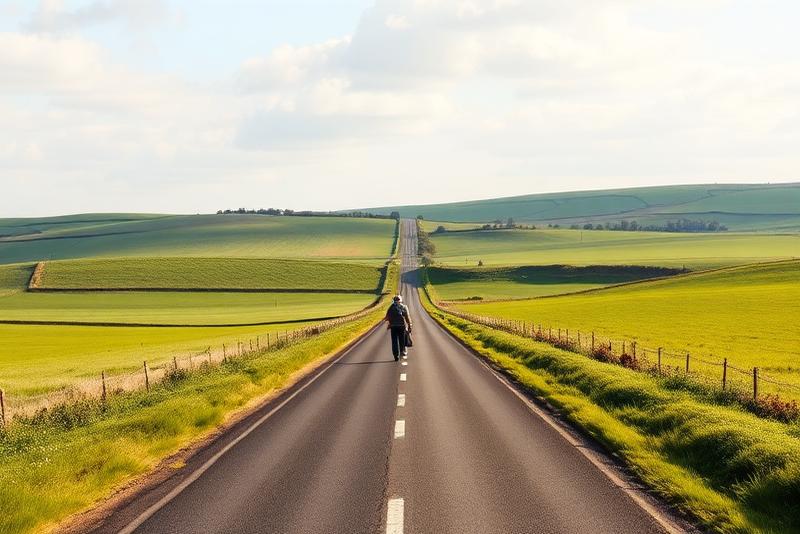
    5,000 vs 10,000 Steps — walking comparison illustration
    5,000 vs 10,000 Steps: side-by-side visual overview.

    Choose calculation type

    Enter your step count to see distance, calories & time

    steps

    Enter the number from your fitness tracker, phone, or pedometer

    Add your height, weight, terrain & fitness level for personalized results

    FemaleMale
    lbs

    Used for accurate calorie calculations

    inches

    Enter your height in inches (5'8" = 68 inches)

    ft

    Average: Men ~2.56 ft • Women ~2.30 ft

    0% (Flat)5% (Moderate)10% (Steep)15%
    US (mi, lbs, ft)Metric (km, kg, m)

    Auto-detected based on your location. Change if needed.

    100% private — all calculations happen in your browser

    👇 Keep reading for detailed breakdown, data tables & real-life examples

    How We Compare

    Distance = steps × average stride (0.74 m). So 5,000 → 3.7 km and 10,000 → 7.4 km.

    Calories = MET × weight (kg) × hours. Moderate pace uses MET 3.5, brisk pace MET 5.0. At 5 km/h a 70 kg walker burns ~245 kcal/hour moderate, ~350 kcal/hour brisk.

    Time simply doubles: what took ~44 min at 5,000 steps takes ~88 min at 10,000. Split into 2–3 blocks if a single session doesn't fit your day.

    Health-benefit gap

    Meta-analyses (Paluch et al., 2022) show mortality risk falls sharply from 4,000 up to about 7,500–8,000 steps, then flattens. Going from 5,000 to 10,000 captures most of that steep-slope zone — arguably the highest-ROI step upgrade there is.

    Weight-loss gap

    An extra 5,000 steps burns roughly 190 extra kcal per day for a 70 kg walker. Over a month that's ~5,700 kcal — about 0.7 kg of fat if diet is unchanged. Small alone, meaningful when stacked with a modest food deficit.

    Time-cost gap

    The main tradeoff is time. 5,000 fits into background movement; 10,000 usually requires one intentional 30–40 min walk on top. If your schedule is packed, adding brisk minutes to a 5,000-baseline is a smart middle path.
    tracking 5,000 vs 10,000 steps on a fitness watch
    Tracking both options to see the real gap in your data.

    5,000 vs 10,000 Steps by Body Weight

    Weight5,000 kcal (mod.)10,000 kcal (mod.)Extra kcalExtra time
    55 kg (121 lbs)150300+150+44 min
    65 kg (143 lbs)177354+177+44 min
    70 kg (154 lbs)190380+190+44 min
    80 kg (176 lbs)218436+218+44 min
    90 kg (198 lbs)245490+245+44 min
    100 kg (220 lbs)272544+272+44 min

    MET-based estimates (3.5 moderate). Stride 0.74 m. Actual values shift ±10% with terrain, incline and fitness.

    Key takeaway

    Move from 5,000 to 10,000 steps only when 5,000 feels comfortable for two consecutive weeks. Add 500 steps/week and layer 10 brisk minutes into the middle for the best return on time.

    Want your exact number?

    Real-Life Scenarios

    The office worker

    5,000 is nearly automatic on active days; 10,000 usually means one dedicated 45-min walk or two 20-min blocks (lunch + evening).

    The parent

    School runs + household movement often clears 5,000. To reach 10,000, add a stroller loop or a post-dinner walk on 4–5 days per week.

    The runner using walking as recovery

    5,000 easy steps is ideal on hard-training days. Save 10,000-step days for lower-intensity training blocks so total load stays manageable.

    recovery after 5,000 vs 10,000 steps session
    Recovery and hydration matter more as intensity climbs.

    In summary: Move from 5,000 to 10,000 steps only when 5,000 feels comfortable for two consecutive weeks. Add 500 steps/week and layer 10 brisk minutes into the middle for the best return on time.

    Frequently Asked Questions

    Is 5,000 or 10,000 steps better?

    10,000 is better for calorie burn and cardiovascular benefit; 5,000 is a valid maintenance floor if training happens elsewhere.

    How many extra calories does 10,000 steps burn?

    Roughly 150–275 kcal more than 5,000 steps depending on body weight (55–100 kg).

    Does 10,000 steps really matter, or is 7,500 enough?

    Research suggests most health gains plateau around 7,500–8,000. 10,000 adds smaller marginal benefits, mostly extra calorie burn.

    How long does 10,000 steps take vs 5,000?

    About 88 minutes vs 44 minutes at a moderate 5 km/h pace.

    Which is better for weight loss?

    10,000. It roughly doubles calorie expenditure while diet stays constant, widening the deficit.

    Popular Distance Conversions