The Short Answer
On average, it takes somewhere between 2,000 and 3,000 steps to burn 100 calories while walking. The exact number depends primarily on two things: your body weight and how fast you're walking.
The relationship between weight and calorie burn is straightforward — a heavier body requires more energy to move. A 70 kg (154 lb) person walking at a moderate pace will burn about 100 calories every 2,500 steps, while a lighter person needs more steps and a heavier person needs fewer.
Quick Answer: A 70 kg (154 lb) person burns about 100 calories every 2,500 steps at a moderate walking pace.
Steps to Burn 100 Calories by Weight
The numbers tell a clear story when you break them down by body weight at a moderate walking speed of 5 km/h. A person weighing 55 kg needs approximately 3,000 steps to hit the 100-calorie mark. At 65 kg, that drops to about 2,600 steps. Someone at 75 kg will burn 100 calories in roughly 2,300 steps, while at 85 kg you only need about 2,000 steps for the same burn. For those weighing 95 kg or more, the number falls to around 1,650 to 1,800 steps.
The pattern makes intuitive sense: moving a heavier body takes more energy per step, so each step burns proportionally more calories. This is one reason why heavier individuals often see faster initial results from a walking program — their bodies are working harder with every movement.

Walking Speed Makes a Difference
How fast you walk has a surprisingly large impact on calorie burn. For a 70 kg person, a slow and leisurely walk at 3 km/h takes about 3,200 steps to burn 100 calories. Increase to a moderate pace of 5 km/h and that number drops to roughly 2,500 steps. Push into a brisk walk at 6.5 km/h and you'll burn 100 calories in just about 2,000 steps.
That means simply picking up your pace from a casual stroll to a purposeful brisk walk can reduce the steps needed to burn 100 calories by nearly 40 percent. If efficiency matters to you — and for most busy people it does — walking faster is one of the simplest upgrades you can make.
Tip: Picking up your pace from a stroll to a brisk walk can reduce the steps needed to burn 100 calories by nearly 40%.
How the Math Works
The calculation behind these numbers uses the MET (Metabolic Equivalent of Task) formula, the same method used by health professionals and sports scientists worldwide. The formula multiplies the MET value of your activity by your body weight in kilograms and the duration of the activity in hours.
As a practical shortcut, you can estimate that each step burns roughly 0.04 times your weight in kilograms divided by 100 calories at a moderate pace. For a 70 kg person, that works out to approximately 0.028 calories per step. It's a tiny number on its own, but it adds up quickly — which is exactly why consistent daily walking is so powerful for long-term calorie management.
Practical Applications
These numbers become genuinely useful when you start applying them to everyday scenarios. Want to burn 500 calories through walking? A 70 kg person would need about 12,500 steps, while an 85 kg person could get there in roughly 10,000 steps.
Curious about walking off your lunch? A typical meal of 600 to 800 calories would require 15,000 to 20,000 steps for a 70 kg person — that's roughly 10 to 15 kilometers of walking. It puts into perspective just how much energy food contains, and why combining walking with sensible eating habits is the most effective approach to weight management.
Use the calories to steps calculator to find your exact number based on your weight.
Tips to Burn More Calories Per Step
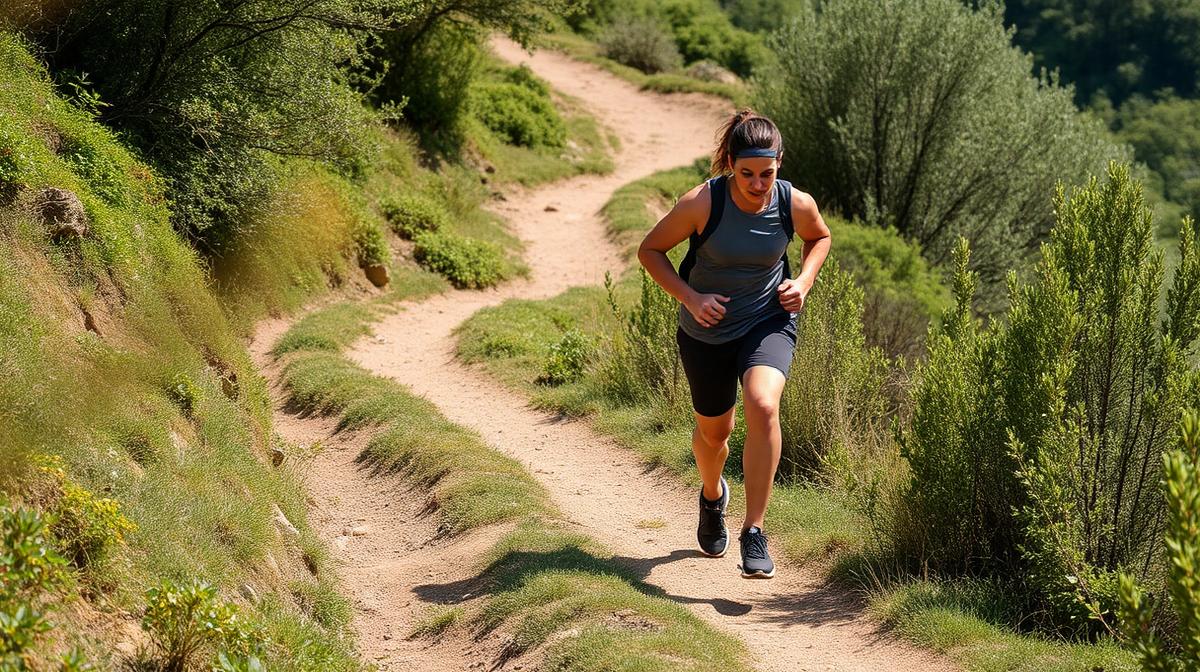
If you want to get more calorie burn out of every step, the most effective change is simply walking faster. Beyond speed, adding inclines to your walking route — whether that's hills, stairs, or even a treadmill on an incline — can boost your calorie burn by 30 to 60 percent compared to flat terrain.
Carrying a light backpack adds resistance that increases energy expenditure, and walking on varied surfaces like sand, grass, or woodland trails demands more from your stabilizing muscles. Your step length also affects how many steps it takes to cover a given distance than smooth pavement. Even something as simple as consciously swinging your arms while you walk can increase calorie expenditure by 5 to 10 percent.
Frequently Asked Questions
Is it better to walk more steps slowly or fewer steps quickly?
For calorie burning, brisk walking is more time-efficient — you burn more calories per minute. But total volume still matters enormously. Ten thousand slow steps will burn far more total calories than 3,000 fast ones, so if you have the time, more steps always wins over fewer steps, regardless of speed.
How many steps burn 500 calories?
For a 70 kg person walking at moderate pace, approximately 12,000 to 13,000 steps. Your personal number depends on your weight and speed — use the steps to calories calculator to get a figure tailored to you.
Do I burn the same calories per step regardless of speed?
No. Faster walking increases the calories burned per step because the MET value — the intensity multiplier — rises with speed. Brisk walking burns roughly 30 to 40 percent more per step than slow walking.
How accurate is the "100 calories per mile" rule?
It's a reasonable rough estimate for someone weighing around 70 kg and walking at a moderate pace. Heavier individuals will burn more per mile, and lighter individuals will burn less. For more precise figures, a calculator that accounts for your specific weight is always better.