SnapStepsCalc

    Does Incline Walking Burn More Calories? — By Grade

    Yes — significantly. A 70 kg adult walking 30 min at 5 km/h burns 129 kcal on flat ground, 195 kcal on a 5% incline, and 294 kcal on a 10% incline — a 130% increase without walking faster.

    A

    Quick answer

    Every 1% incline adds ~10–12% calorie burn. 5% incline ≈ 50% more calories. 10% ≈ 130% more. Same time, same speed, dramatically more work.

    Numbers use average adult stride and MET-based energy expenditure. See our methodology for the exact formulas and sources.

    SnapStepsCalc TeamPublished June 25, 2026Updated July 13, 20266 min read
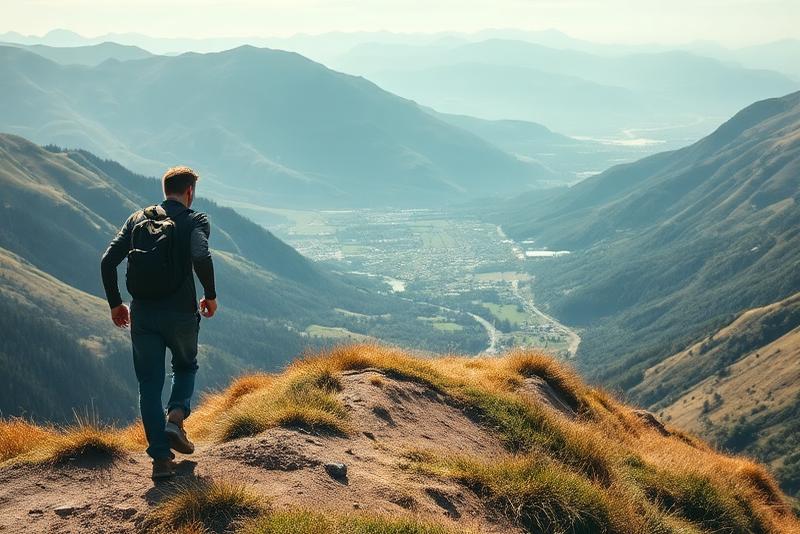
    Does Incline Walking Burn More Calories? — walking illustration
    Does Incline Walking Burn More Calories?: the visual answer.

    Choose calculation type

    Enter your step count to see distance, calories & time

    steps

    Enter the number from your fitness tracker, phone, or pedometer

    Add your height, weight, terrain & fitness level for personalized results

    FemaleMale
    lbs

    Used for accurate calorie calculations

    inches

    Enter your height in inches (5'8" = 68 inches)

    ft

    Average: Men ~2.56 ft • Women ~2.30 ft

    0% (Flat)5% (Moderate)10% (Steep)15%
    US (mi, lbs, ft)Metric (km, kg, m)

    Auto-detected based on your location. Change if needed.

    100% private — all calculations happen in your browser

    👇 Keep reading for detailed breakdown, data tables & real-life examples

    How Incline Multiplies Calorie Burn

    Incline changes the MET value dramatically. Flat 5 km/h = MET 3.5. 5% incline at 5 km/h ≈ MET 5.3 (ACSM equation). 10% incline ≈ MET 8.0 — approaching jogging intensity.

    For a 70 kg adult, that's 129 kcal (flat) → 195 (5%) → 294 (10%) in the same 30 min.

    Extra work comes from lifting your body vertically. Each 1% grade at 5 km/h means climbing ~50 m over 30 min — real vertical work your muscles must produce.

    Where to add incline

    Treadmill: set 3–5% for 'hill training' benefit without much perceived effort. Outdoors: pick routes with a hill in the middle, so you warm up flat, work the climb, and recover on the descent.

    Why incline > speed for burn efficiency

    Adding 2% incline burns more calories than adding 1 km/h speed, and stays low-impact. Great for people who can't run.

    Muscle recruitment shifts

    Incline shifts load to glutes, hamstrings, and calves (up to 3x more glute activation vs. flat). Downhill loads quads and joints — descend slowly to protect knees.

    Cardio zone changes

    5% incline at 5 km/h typically puts you in zone 3 (70–80% max HR). Flat 5 km/h is zone 2 (60–70%). Incline gives you high-zone training without needing to run.
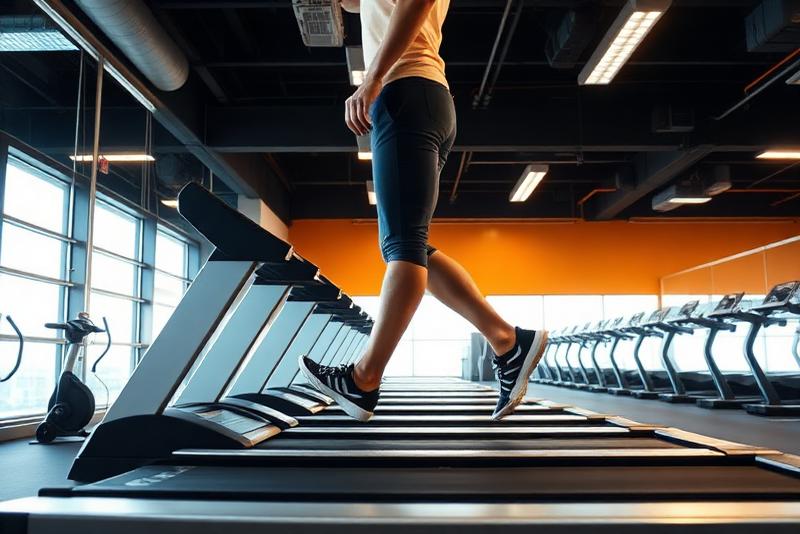
    tracking does incline walking burn more calories?
    Tools that make does incline walking burn more calories? easy to measure.

    Calories by Incline (70 kg, 5 km/h)

    InclineMET30 min60 minvs. flat
    0% (flat)3.5129 kcal257 kcalBaseline
    3%4.5165 kcal331 kcal+29%
    5%5.3195 kcal390 kcal+51%
    7%6.4235 kcal470 kcal+83%
    10%8.0294 kcal588 kcal+129%
    12%9.3342 kcal684 kcal+166%

    MET values from ACSM Metabolic Equations for walking. Scale calories linearly with body weight.

    Calorie burn scales with body weight

    0% (flat)
    129 kcal
    3%
    165 kcal
    5%
    195 kcal
    7%
    235 kcal
    10%
    294 kcal
    12%
    342 kcal

    Bar length shows relative energy expenditure. A heavier body must move more mass per step, so the same step count burns proportionally more calories.

    Key takeaway

    Incline scales calorie burn dramatically: 5% ≈ +50%, 10% ≈ +130% vs. flat at the same pace. Best low-impact intensity lever available.

    Want your exact number?

    Real-Life Scenarios

    The 12-3-30 workout

    12% incline, 3 mph (4.8 km/h), 30 min. For a 70 kg adult: ~350 kcal in 30 min with zero jogging — hugely popular because it delivers strong burn without impact.

    Hilly outdoor loop

    A 5 km loop with 100 m elevation gain (average 2% grade) burns ~15% more than flat. Add small detours to boost the climb ratio.

    Stair training

    Stairs are ~30% grade equivalent — MET 8.0+. 10 min of stairs matches 25 min of flat walking calorie-wise.
    after your walk — does incline walking burn more calories?
    Recovery, hydration, and consistency after a walk.

    In summary: Incline scales calorie burn dramatically: 5% ≈ +50%, 10% ≈ +130% vs. flat at the same pace. Best low-impact intensity lever available.

    Frequently Asked Questions

    How many more calories does incline walking burn?

    Roughly +10–12% per 1% incline. 5% ≈ +50%, 10% ≈ +130% vs. flat at the same speed.

    Is 5% incline enough?

    Yes — it lifts a moderate walk into a solid cardio session without demanding a faster pace or jogging.

    Can I walk 12% incline every day?

    Most people should build up. Start 2–3x/week; check for calf tightness and Achilles soreness before increasing frequency.

    Does walking downhill burn calories?

    Yes but far fewer (MET ~2.5) and loads the knees heavily. Use downhill for recovery, not as a primary calorie tool.

    Is incline treadmill as good as outdoor hills?

    Very close — set 1–2% base to match outdoor air resistance, then add your target hill grade.

    What's the 12-3-30 workout?

    12% incline, 3 mph, 30 min — a viral treadmill routine that delivers ~350 kcal for a 70 kg adult without any running.

    Popular Distance Conversions