
SnapStepsCalc

    Morning vs Evening Walk — Which Is Better?

    Morning walks (especially fasted) may nudge fat-oxidation up 10–15%. Evening walks improve sleep quality and post-meal blood-sugar response. Total calorie burn is identical for the same distance and pace — the difference is metabolic timing.

    A

    Quick answer

    Same 5 km, same pace = same kcal. Morning fasted: better fat-oxidation ratio. Evening after dinner: better glucose control and sleep.

    Numbers use average adult stride and MET-based energy expenditure. See our methodology for the exact formulas and sources.

    SnapStepsCalc TeamPublished July 1, 2026Updated July 13, 20267 min read
    Morning vs Evening Walk — walking comparison illustration
    Morning vs Evening Walk: side-by-side visual overview.

    Choose calculation type

    Enter your step count to see distance, calories & time

    steps

    Enter the number from your fitness tracker, phone, or pedometer

    Add your height, weight, terrain & fitness level for personalized results

    FemaleMale
    lbs

    Used for accurate calorie calculations

    inches

    Enter your height in inches (5'8" = 68 inches)

    ft

    Average: Men ~2.56 ft • Women ~2.30 ft

    0% (Flat)5% (Moderate)10% (Steep)15%
    US (mi, lbs, ft)Metric (km, kg, m)

    Auto-detected based on your location. Change if needed.

    100% private — all calculations happen in your browser

    👇 Keep reading for detailed breakdown, data tables & real-life examples

    How We Compare

    Calories burned depend on distance, pace, weight and terrain — not on time of day.

    Fat-oxidation ratio (share of energy from fat vs glucose) is modestly higher fasted — total fat mass loss over months is diet-dependent.

    Post-meal walking cuts glucose spike by 12–22% (Buffey et al., 2022) — meaningful for pre-diabetic adults.

    Fat oxidation vs fat loss

    Fasted training raises the % of fat used per minute but doesn't automatically raise total fat loss — that depends on daily calorie balance.

    Sleep improvements

    Light walking 1–3 hours before bed (not right before) improves sleep onset by ~15 min on average (Kredlow et al., 2015).

    Glucose control

    A 15-min walk after each main meal cuts glucose AUC substantially — huge for insulin sensitivity and appetite regulation.
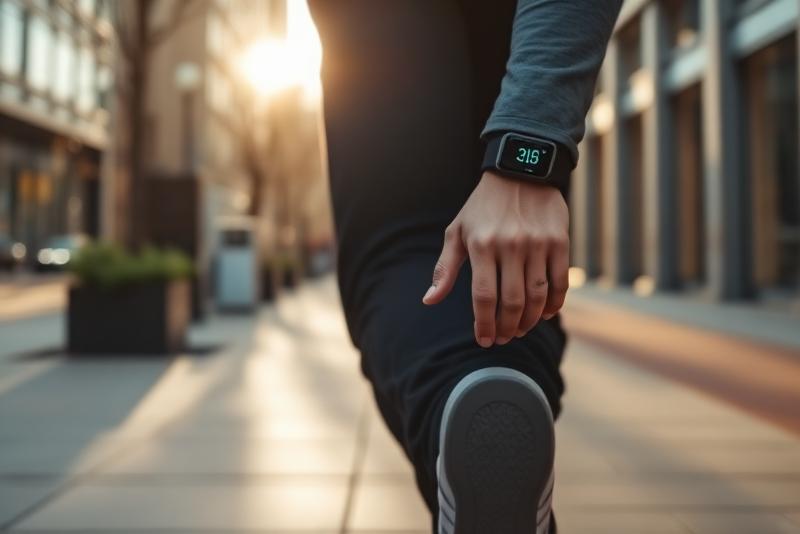
    tracking morning vs evening walk on a fitness watch
    Tracking both options to see the real gap in your data.

    Morning vs Evening — Same 30-min Walk

    MetricMorning fastedMorning fedEvening post-meal
    Kcal (70 kg)150150150
    % energy from fat55–65%40–50%35–45%
    Glucose spike cut~5%~8%~15–22%
    Sleep benefitlowlowmedium-high
    Adherencemediumhighhigh

    Kcal identical for the same distance/pace. Timing changes the metabolic signature, not the calorie total.

    Key takeaway

    Total calorie burn is time-independent. Pick morning if you like fasted training or want fat-oxidation nudges. Pick evening for glucose control and sleep. Both is even better.

    Want your exact number?

    Real-Life Scenarios

    The weight-loss walker

    Whichever slot you'll actually keep. If both work, morning fasted may have a small edge for fat oxidation.

    The pre-diabetic walker

    Evening post-meal walk is a proven winner — cuts glucose spike sharply.

    The insomniac

    Evening walk 2 hours pre-bed. Skip near-bedtime brisk sessions.

    recovery after morning vs evening walk session
    Recovery and hydration matter more as intensity climbs.

    In summary: Total calorie burn is time-independent. Pick morning if you like fasted training or want fat-oxidation nudges. Pick evening for glucose control and sleep. Both is even better.

    Frequently Asked Questions

    Is morning walking better for weight loss?

    Slightly better for fat-oxidation ratio; total loss depends on adherence and diet.

    Should I walk before or after breakfast?

    Before if fat-oxidation matters and hunger allows; after if performance/pace matters.

    Is walking after dinner good?

    Yes — reduces glucose spikes 12–22% and aids digestion.

    Can I walk before bed?

    Light walks are fine and can improve sleep; avoid vigorous within 1 hour of bed.

    When should diabetics walk?

    Ideally 15 min after each main meal — best evidence-based glucose control.

    Popular Distance Conversions