The Math Behind 1,500 Calories
MET formula: Calories = MET × weight × time. At 70 kg and MET 3.5: Time = 1500 ÷ 245 = 6.12 hours. Distance = 30.6 km (19 miles). Steps = 30,600 ÷ 0.72 ≈ 42,900 steps. This is marathon territory.
1,500 calories is equivalent to more than half of most adults' total daily energy expenditure (TDEE). Burning this through walking alone in one day requires exceptional time commitment and proper preparation — hydration, nutrition, footwear, and rest planning are all critical.
For context: a full marathon (42.2 km) burns roughly 2,500–3,500 calories. Walking 1,500 calories covers about 70–80% of marathon distance at 70 kg. This is achievable during day hikes, charity walks, or tourist sightseeing days in walking-friendly cities.
Step Requirements by Weight
55 kg: ~46,800 steps (35.1 km). 70 kg: ~36,700 steps (27.5 km). 85 kg: ~30,300 steps (22.7 km). 100 kg: ~25,700 steps (19.3 km). At 100 kg, the target is 43% fewer steps than at 55 kg — still substantial but realistic during an active day of hiking or sightseeing.
Realistic Achievement Strategies
Few people walk 40,000+ steps in a dedicated workout. Instead, consider: (1) Full-day hiking trip with elevation gain of 800+ meters. (2) Tourist day in a walking city (Paris, Rome, New York — tourists regularly clock 30,000+ steps). (3) Spread across 2 days: 21,000 steps × 2 days. (4) Combine walking with other activities: 25,000 steps + 45 min cycling.
Mountain Hiking Efficiency
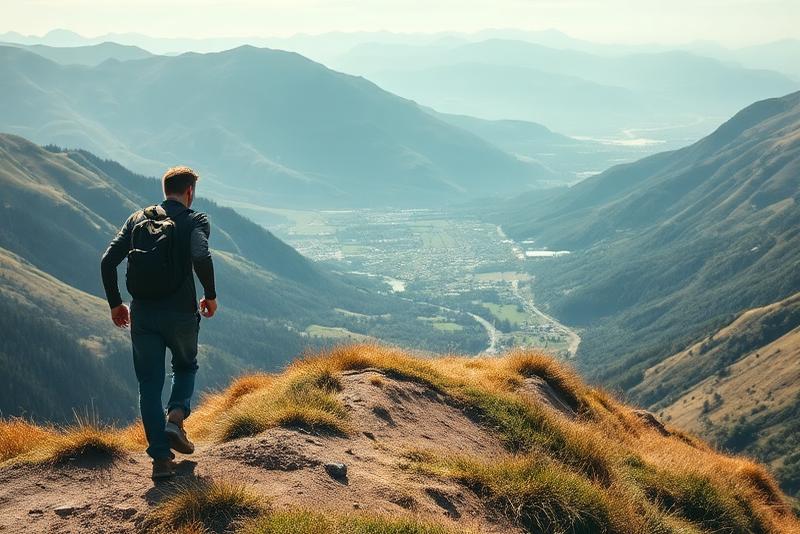
Mountain hiking with 500+ meters of elevation gain has an effective MET of 6.0–7.0. At MET 6.5, a 70 kg person burns 1,500 calories in about 23,100 steps (3.3 hours of active hiking). This is the most time-efficient walking-based method — roughly half the flat-ground requirement.
Safety and Recovery
A 1,500-calorie walking session depletes significant muscle glycogen. Plan: eat 600+ calories before starting, consume 200–300 calories during (snacks every 60–90 min), and have a large recovery meal within 1 hour of finishing. Allow 48–72 hours of rest before another intensive session. Watch for signs of overexertion: dizziness, extreme fatigue, or joint pain.

Steps to Burn 1,500 Calories by Weight & Terrain
| Weight | Flat Ground | Hilly Terrain | Mountain Hiking |
|---|---|---|---|
| 55 kg (121 lbs) | ~46,800 | ~30,900 | ~25,200 |
| 65 kg (143 lbs) | ~39,600 | ~26,100 | ~21,300 |
| 70 kg (154 lbs) | ~36,700 | ~24,300 | ~19,800 |
| 80 kg (176 lbs) | ~32,100 | ~21,200 | ~17,300 |
| 90 kg (198 lbs) | ~28,600 | ~18,900 | ~15,400 |
| 100 kg (220 lbs) | ~25,700 | ~17,000 | ~13,800 |
Moderate pace (5 km/h flat). MET: 3.5 flat, 5.3 hills, 6.5 mountain. Stride: 0.72m.
Key takeaway
Burning 1,500 calories through walking is a marathon-level goal: ~42,900 steps (32 km) at 70 kg on flat ground. Mountain hiking reduces this to ~23,100 steps. Most practical as a day-hike target, tourist day, or spread across 3–5 days of active walking.
Want your exact number?
Real-Life Scenarios
🟢 Day Hiker — Anna, 70 kg
Anna does a 6-hour mountain hike (1,000m elevation gain) covering 25 km. At MET ~6.5 and 70 kg, she burns approximately 1,590 calories in about 32,000 steps. She packs three snack bars, two liters of water, and a proper lunch. The mountain terrain naturally amplifies her calorie burn by 70% compared to flat walking.
🟡 City Tourist — Leo, 80 kg
Leo spends a full day exploring Rome on foot: museums, landmarks, hills. His phone shows 35,000 steps by 9 PM. At 80 kg on Rome's hilly streets (MET ~4.5), he burns about 1,420 calories — just shy of 1,500. Adding a 15-minute evening walk puts him over the target. Tourism is surprisingly effective exercise.
🔴 Charity Walker — Suki, 62 kg
Suki participates in a 30 km charity walk. At 62 kg and moderate pace on mixed terrain (MET ~4.0), her 40,000 steps burn about 1,240 calories. To reach 1,500, she'd need to walk 48,000 steps (36 km) at her weight — demonstrating why lighter individuals need terrain advantages for extreme calorie goals.
In summary: Burning 1,500 calories through walking is a marathon-level goal: ~42,900 steps (32 km) at 70 kg on flat ground. Mountain hiking reduces this to ~23,100 steps. Most practical as a day-hike target, tourist day, or spread across 3–5 days of active walking.