The Math Behind 800 Calories
MET formula: Calories = MET × weight × time. At 70 kg and MET 3.5: Time = 800 ÷ 245 = 3.27 hours (196 minutes). Distance = 16.3 km. Steps = 16,300 ÷ 0.72 ≈ 22,900 steps.
800 calories is a serious walking goal — equivalent to a half-marathon distance for lighter individuals. This level of walking provides exceptional cardiovascular benefits: studies show that walking 15+ km per day reduces all-cause mortality by 50% compared to sedentary lifestyles.
At this calorie target, nutrition timing matters. Eat a light meal 60–90 minutes before starting, carry water, and have a protein-rich snack within 30 minutes of finishing to support muscle recovery and maintain energy levels.
Step Requirements by Weight
55 kg: ~28,000 steps (21 km). 70 kg: ~22,900 steps (17.1 km). 85 kg: ~18,800 steps (14.1 km). 100 kg: ~16,000 steps (12 km). Heavier individuals have a significant advantage: a 100 kg person needs 43% fewer steps than a 55 kg person for the same 800 calories.
Nordic Walking Efficiency
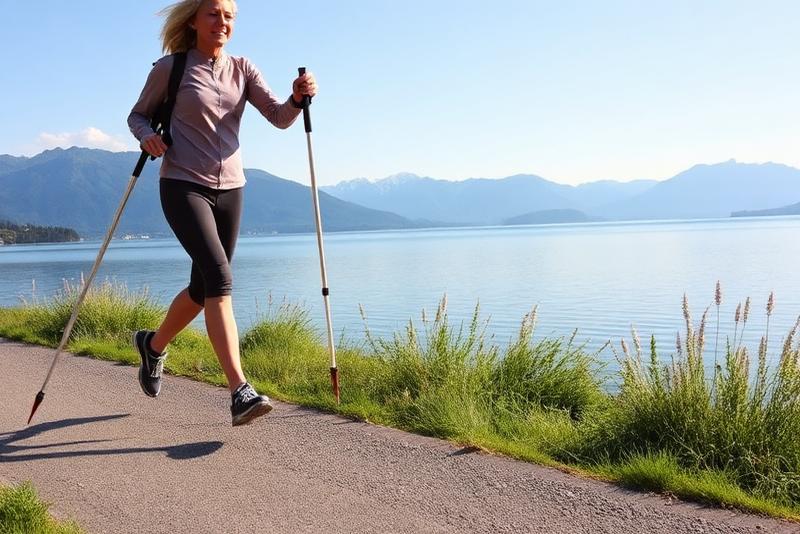
Nordic walking (using poles) increases upper body muscle engagement by 90% and boosts MET from 3.5 to approximately 5.0. A 70 kg person using poles burns 800 calories in about 16,000 steps instead of 22,900 — a 30% reduction. The poles also improve balance and reduce knee strain during long walks.
Hydration and Fueling
Walking 3+ hours requires proper hydration: drink 150–200 ml of water every 20 minutes. For walks exceeding 2 hours, consider an electrolyte drink and a small carbohydrate snack (banana, energy bar) at the halfway point. Dehydration reduces walking efficiency by 10–20%, potentially requiring more steps.
Recovery Considerations
After burning 800 calories through walking, your body needs 24–48 hours to fully recover. Muscle glycogen replenishes in 20–24 hours. Plan rest days or lighter walking days (5,000–8,000 steps) after intensive 800-calorie sessions to prevent overtraining and maintain long-term consistency.

Steps to Burn 800 Calories by Weight & Terrain
| Weight | Flat Ground | Hills | Nordic Walking |
|---|---|---|---|
| 55 kg (121 lbs) | ~24,900 | ~16,500 | ~17,500 |
| 65 kg (143 lbs) | ~21,100 | ~13,900 | ~14,800 |
| 70 kg (154 lbs) | ~19,600 | ~12,900 | ~13,700 |
| 80 kg (176 lbs) | ~17,100 | ~11,300 | ~12,000 |
| 90 kg (198 lbs) | ~15,200 | ~10,100 | ~10,700 |
| 100 kg (220 lbs) | ~13,700 | ~10,200 | ~9,600 |
Moderate pace (5 km/h). MET: 3.5 flat, 5.3 hills, 5.0 Nordic. Stride: 0.72m.
Key takeaway
A 70 kg person needs about 22,900 steps (17 km) to burn 800 calories on flat ground. Nordic walking poles, hills, and brisk pace can reduce this to 15,000–16,000 steps. Best suited as a 1–3 times weekly intensive session.
Want your exact number?
Real-Life Scenarios
🟢 Weekend Adventurer — Liam, 78 kg
Liam does a Saturday morning hike on local hills (15 km, 3 hours, MET 5.3). At 78 kg, his 19,500 steps burn approximately 830 calories — exceeding 800 with room to spare. He treats this as his 'big exercise day' and walks lighter during the week (8,000 steps).
🟡 Nordic Walker — Ingrid, 65 kg
Ingrid uses Nordic walking poles three times weekly. At 65 kg and MET 5.0, she burns 800 calories in about 16,800 steps (2.5 hours). The poles add an upper-body workout component, making her routine a full-body exercise — more efficient than plain walking at her weight.
🔴 Transformation Journey — Mike, 105 kg
At 105 kg, Mike needs only 15,200 steps for 800 calories on flat ground — about 2.5 hours. His approach: treadmill at 5% incline (6,000 steps, 45 min) + evening neighborhood walk (9,200 steps, 70 min). The incline session alone burns about 350 calories, making the total very achievable.

In summary: A 70 kg person needs about 22,900 steps (17 km) to burn 800 calories on flat ground. Nordic walking poles, hills, and brisk pace can reduce this to 15,000–16,000 steps. Best suited as a 1–3 times weekly intensive session.